
Beyond Billboards: What Smart Digital Signage Can Do in 2026
For a long time, smart digital signage was treated like a modern billboard. Bigger screen. Brighter visuals. Flashier content. That was the goal. And to be fair, it worked for a while.
But if you look around now, especially in busy places like malls, offices, campuses, or even small cafés, something has shifted. Screens aren’t just broadcasting messages anymore. They’re responding. Adjusting. Sometimes quietly influencing decisions without drawing much attention to themselves.
That’s where smart digital signage starts to feel different. And in 2026, it’s going to be doing a lot more than most people expect.
From Static Displays to Smart Digital Signage
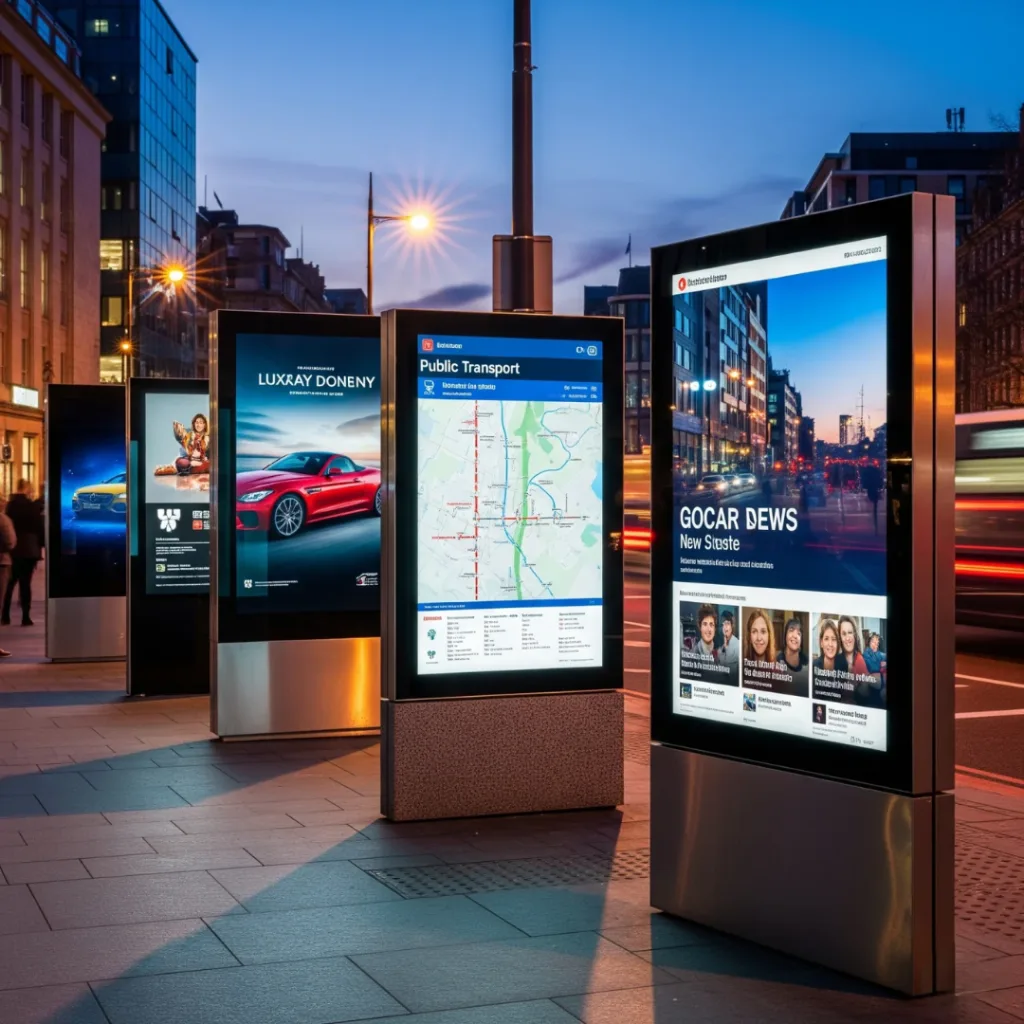
Traditional signage, even digital versions, followed a simple rule. Show content. Loop it. Repeat.
Smart digital signage doesn’t really follow that rule anymore.
A modern digital signage system feels less like a display tool and more like a living layer of communication. It reacts to time, location, audience behaviour, sometimes even external data. Weather. Traffic. Events. It doesn’t need to scream to be effective.
I’ve noticed this especially in workplaces. Screens that once showed generic announcements now quietly rotate relevant updates. Nothing dramatic. But it changes how people engage. They look up more often. They trust the information more.
That shift matters.
Cloud Is Doing the Heavy Lifting Behind the Scenes

One reason smart signage has evolved so quickly is the move to cloud-based platforms. Without the cloud, most of this flexibility would be impossible.
With digital signage cloud software, content isn’t locked to a single location or device. It’s centralized. Accessible. Editable from anywhere. That changes expectations.
In 2026, it won’t feel acceptable anymore to physically visit a screen just to update content. People expect real-time control. And they expect it to be simple.
Cloud-based systems also make experimentation easier. Try a message. Change it later. See what works. That kind of freedom encourages better communication, even if teams don’t consciously think about it that way.
Also Read – Top Features to Expect from a Digital Signage Solution Provider
Smart Doesn’t Mean Complicated. Or At Least It Shouldn’t
There’s a misconception that smart digital signage equals complexity. More rules. More dashboards. More things that can break.
In reality, the best systems tend to feel simpler, not more advanced.
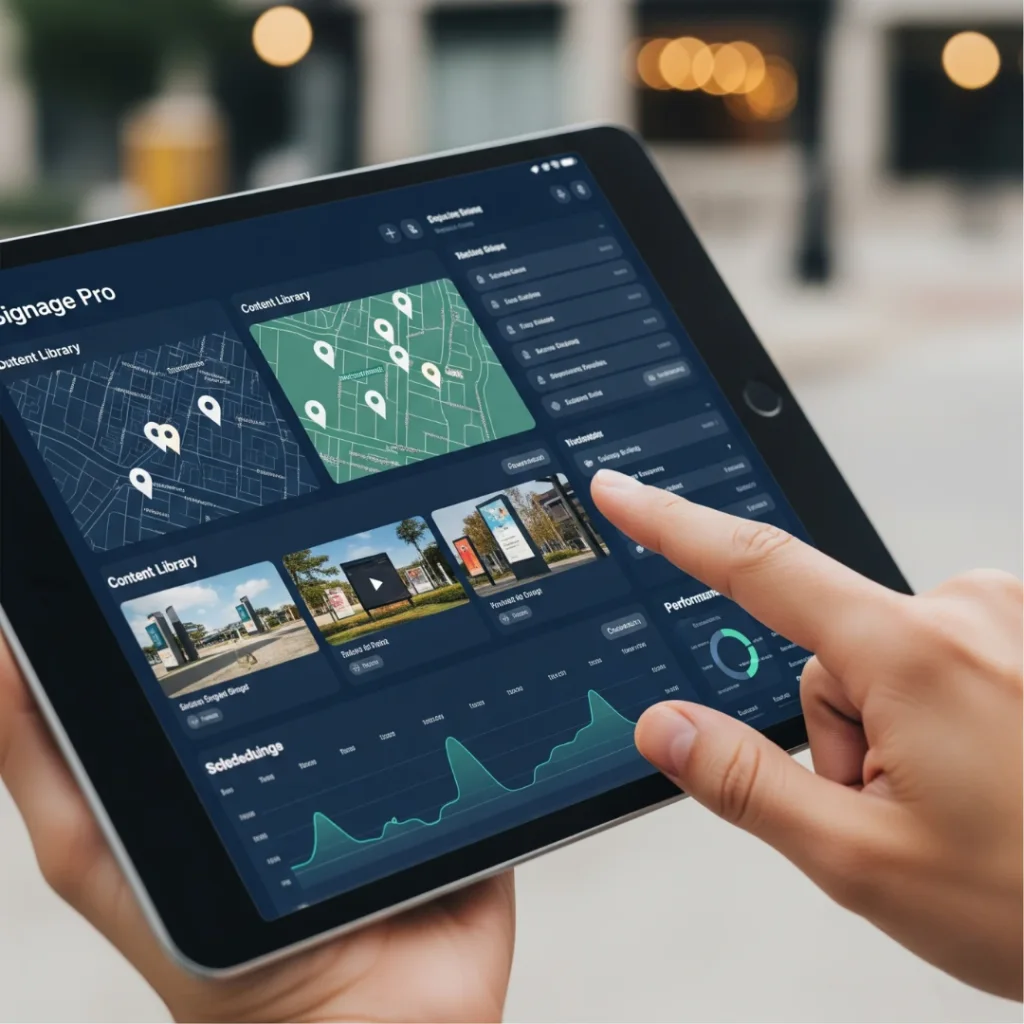
Good display signage software removes friction. It doesn’t require constant attention. It quietly handles scheduling, screen health, and updates in the background. The intelligence is there, but it stays out of the way.
We believe think this is where many early digital signage projects struggled. Too many features, not enough clarity. In 2026, usability will matter more than feature lists.
Content That Adapts Without Being Obvious
One of the most interesting things smart digital signage can do is adapt subtly.
A screen in a mall might highlight offers during peak hours and switch to navigation during quieter moments. An office display might show performance metrics in the morning, then wellness reminders later in the day.
No one announces this shift. It just happens. And people respond to it naturally.
A modern smart digital signage system supports this kind of adaptive behaviour without needing constant manual input. Rules can be set. Context can guide content. The signage feels aware, even if viewers can’t quite explain why.
Moving Past “More Screens” as a Metric
For years, success in smart digital signage was measured by scale. More screens. Bigger video walls. Wider coverage.
That mindset is slowly fading.
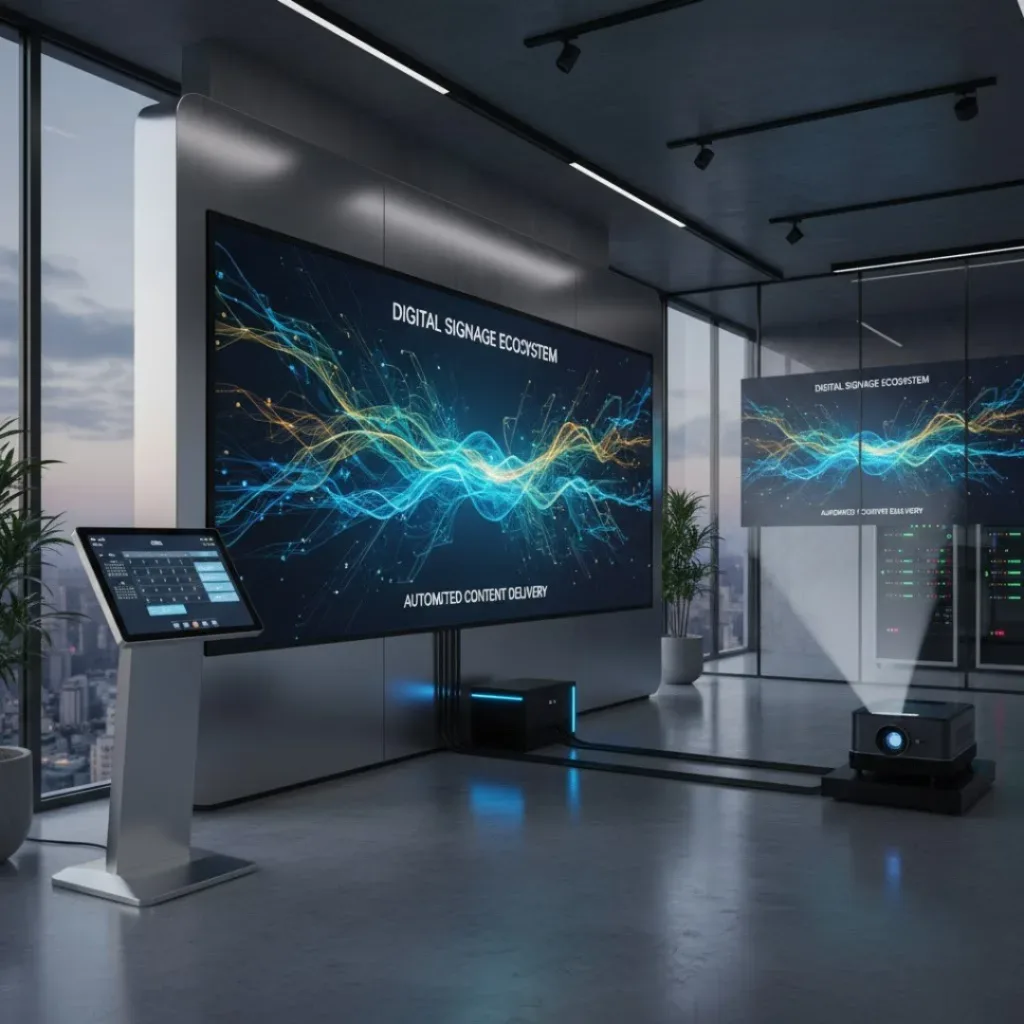
In 2026, effectiveness will matter more than footprint. A single, well-placed screen with relevant content often outperforms dozens of generic displays. Smart signage recognizes this.
With the right digital signage cloud software, organizations can focus on precision rather than volume. Right message. Right place. Right moment.
That’s harder to measure, but the impact is more meaningful.
Also Read – The Growing Need for Digital Signage Software
Data Without Overreach
Smart digital signage does rely on data. But there’s a fine line here.
Audiences are increasingly aware of privacy. They’re comfortable with relevance, not surveillance. The best systems respect that balance.
Instead of tracking individuals, signage systems can respond to patterns. Time of day. General foot traffic. Environmental triggers. That’s enough to make content feel timely without crossing boundaries.
A thoughtful display signage software approach prioritizes trust as much as performance. And that trust, once broken, is difficult to rebuild.
Why 2026 Feels Like a Turning Point
Perhaps it’s the maturity of cloud platforms. Or the growing expectation for seamless digital experiences everywhere. Or maybe it’s just fatigue with noise.
Whatever the reason, 2026 feels like the year smart digital signage fully steps out of the billboard mindset.
Screens will still advertise. But they’ll also guide, inform, reassure, and sometimes simply stay quiet when there’s nothing useful to say.
That restraint might be the smartest feature of all.
Also Read – What is Digital Signage Software & How Does It Work?
Conclusion
Smart digital signage in 2026 isn’t about being louder or more impressive. It’s about being more aware. More responsive. More human, in a way.
With the help of flexible digital signage cloud software, a well-designed digital signage system, and intuitive display signage software, organizations can move beyond static displays and create communication that actually fits its environment.
This is where automateB fits naturally. automateB provides a cloud-based digital signage platform built for adaptability, simplicity, and scale. It allows businesses, campuses, and public spaces to manage smart signage without over complicating operations. In a world where digital screens are everywhere, automateB helps make sure they’re also useful.
FAQ’s
1. How does digital signage cloud software improve operations?
Cloud-based platforms enable management from anywhere, real-time updates and smoother scalability without on-site complex infrastructure.
2. Is smart digital signage only for large organizations?
No. Modern digital signage systems are scalable and operate equally well for small companies, institutions, and offices.
3. Does display signage software require technical expertise?
Most modern platforms like automateB are designed to be user-friendly, allowing non-technical teams to manage content easily.
4. How does automateB support smart digital signage?
automateB offers a cloud-based digital signage solution that simplifies scheduling, content control, and screen management across locations, making smart signage practical and manageable.