

5 Real-World Examples of Digital Signage That Actually Work
Digital Signage has emerged as the powerful tools for communication, marketing, and displaying the information. With the help of digital signage software like automateB, businesses and organisations across several industries are transforming the way they reach right set of audiences. So, here we have listed five real-world examples where digital signage is already proving its features:
1. Dynamic Product Promotions and Up-to-Date Offers in Retail Stores
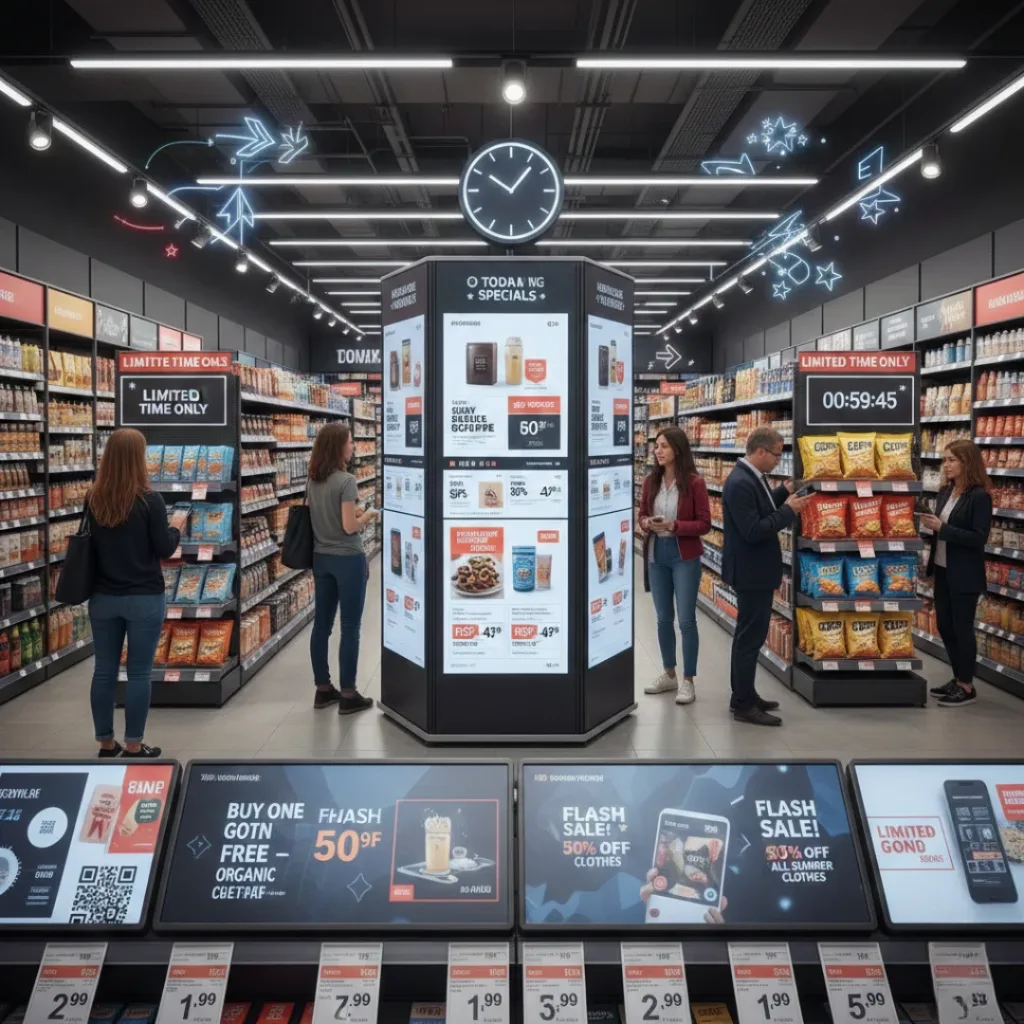
Retail stores which range from clothing boutiques to hypermarkets, are using digital signage to replace static posters and banners. Apart from the fixed signage, retail brands deploy screens that show:
With digital signage software, managers of stores can update content at any point of time across various other screens in different store locations. This flexibility allows retailers to react quickly to any sort of urgencies, or marketing ad campaigns. The dynamic visuals drawn by digital display software capture customer attention better than paper posters thus helps in increasing footfall, upsell products, and up the average ticket value.
Also Read: What is Digital Signage Software & How Does It Work?
2. Restaurants & Cafes: Menu Boards That Update Automatically
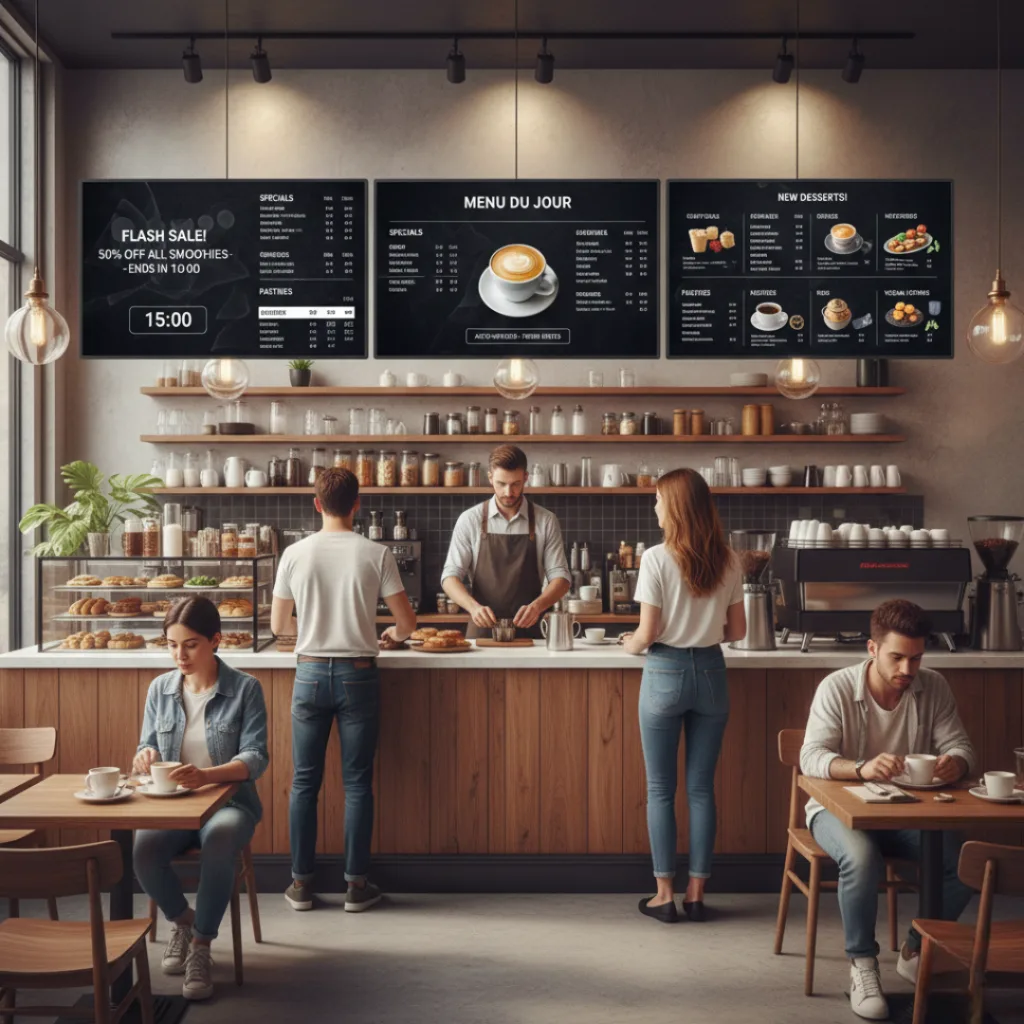
Various cafes, and QSR chains benefit when they switch from printed menus to digital menu boards. With digital signage, they would be able to:
This real-world use of digital signage software helps restaurants in costs of printing, avoid menus which are outdated, and streamline service.
3. Corporate Offices: Internal Communications and Employee Engagement

Large companies majorly used to have office locations, lobbies, cafeterias or common areas. Static notice boards or email blasts can feel impersonal or easy to ignore. Apart from that, lot more organizations now deploy digital signage screens to:
Using digital display software, internal communications teams can schedule content, manage screens across locations, and make sure that the messages remain current.
Also Read: Why Digital Signage CMS Software is the Future of Retail and Hospitality Marketing
4. Transportation Hubs: Real-Time Schedules and Public Information
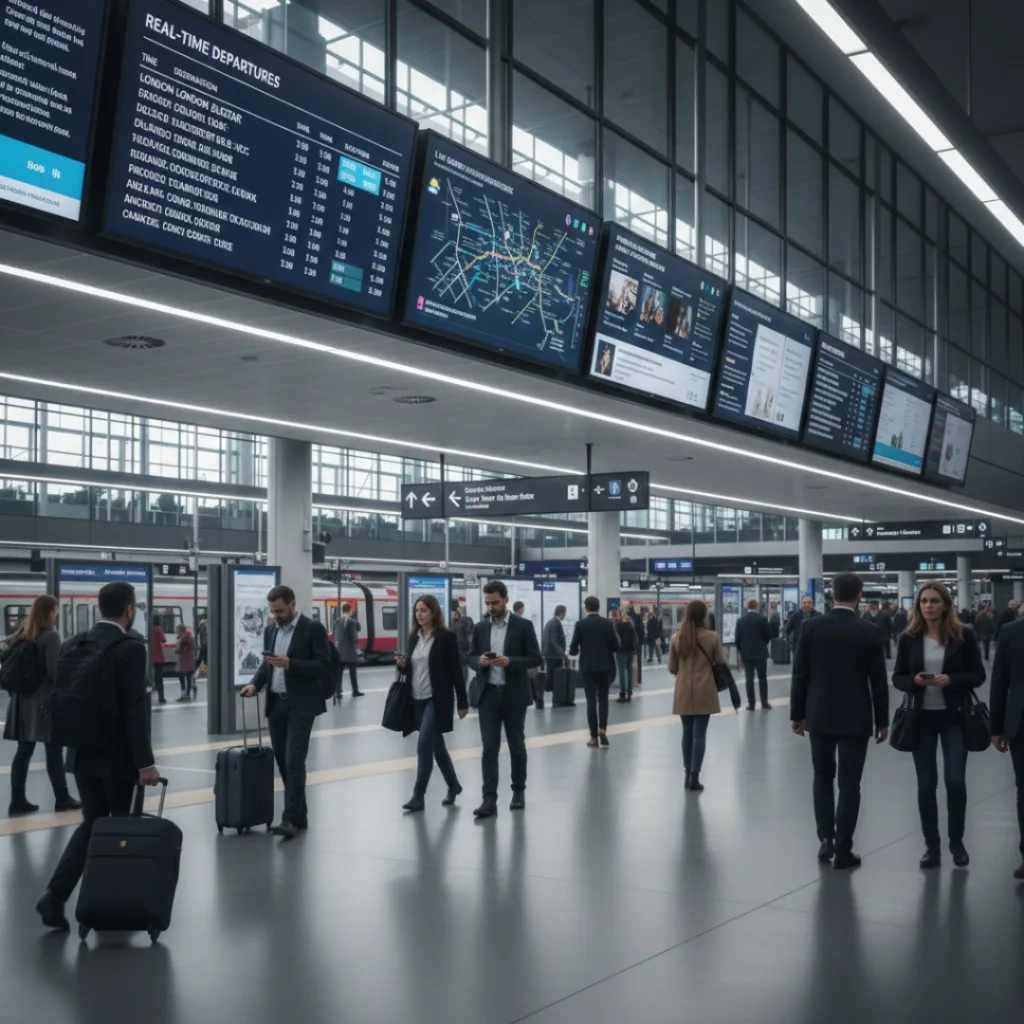
Various other transportation options such as airports, bus stations, metro stations, and train terminals see heavy footfall and constantly changing information as per the needs. Real world digital signage here helps by showing:
Digital signage software helps in designing the live updates, so that operators can push new content instantly across a network of displays. The high level of scalability of a robust digital signage like automateB makes sure that even large transit hubs with many screens are easily manageable, scalable, and reliable. For passengers, this means clarity, timeliness, and better travel experience in today’s market scenario.
5. Interactive Signage for Navigation and Information in public spaces
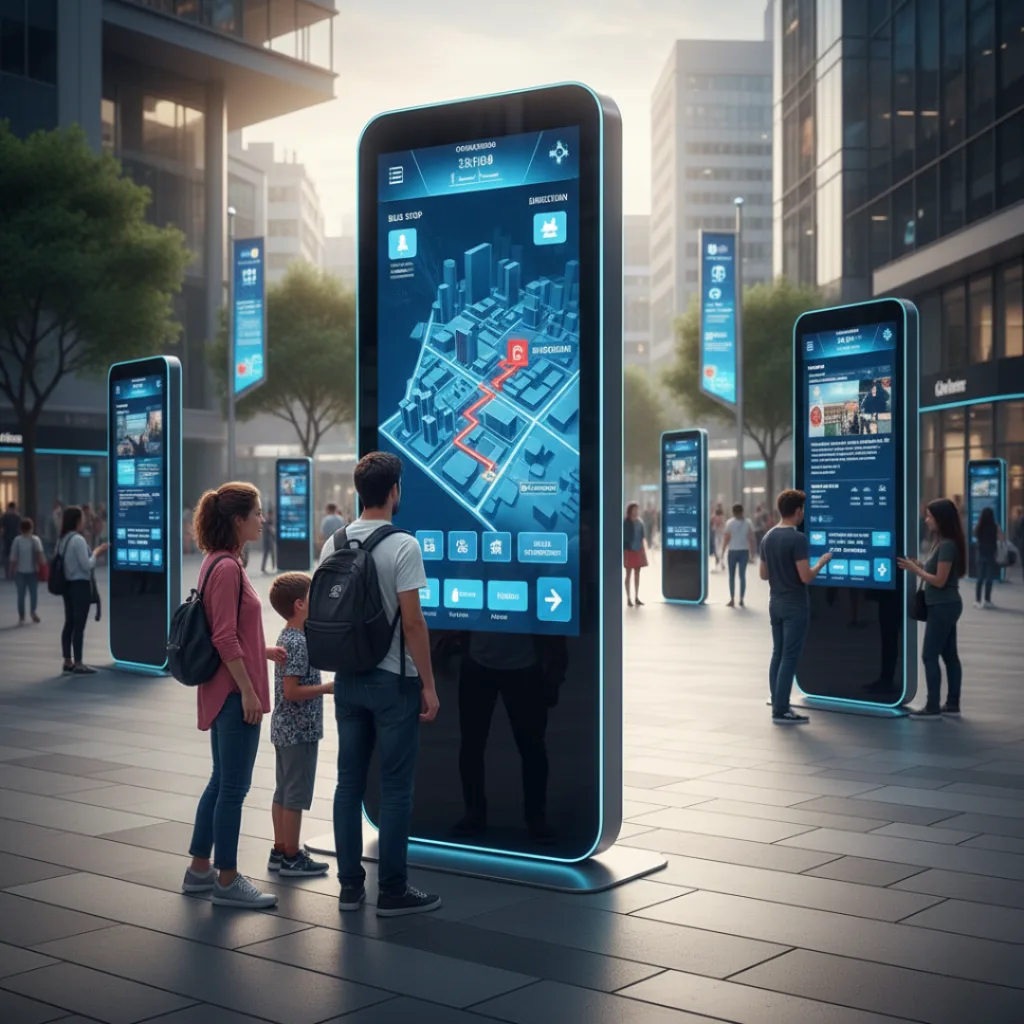
Various large venues such as shopping malls, hospitals, educational campuses, and public buildings often require clear signage. Digital signage makes this smarter by offering:
With digital display software, visitors can interact with touchscreens or kiosks to find directions. A digital signage software like automateB, ensures all displays are managed centrally — easy to update, rotate, or customize for different zones. This improves visitor experience, reduces confusion, and keeps information relevant.
Also Read: Top Features to Look for in Digital Display Software in 2025
Conclusion
Digital Signage is now an integral aspect of contemporary communication. It supplies greater flexibility and real-time accessibility to content and provides a higher level of visual appeal than conventional signage. Business throughout all industries benefit from utilizing state-of-the-art Digital Signage solutions that automateB offers.
FAQ’s
1. What is digital signage, and how does it actually work?
Digital signage refers to electronic displays which includes the LED, LCD screens, video walls, or projectors that show images, videos, messages, dynamic updates, instead of static printed signs. It uses a screen, a media player or small computer, and either cloud-based or on-site digital signage softwareto manage what content plays, when, and where.
2. Why should businesses nowadays invest in digital signage?
Because digital signage is far more flexible, engaging, reliable and even effective than traditional signage. It lets businesses deliver up-to-date content, tailor messaging for different audiences or locations, and adjust visuals dynamically. It improves communication, marketing impact, and increases the chance of catching attention in environments where people are constantly bombarded with information.
3. What do I need to start a digital signage setup?
At minimum, you need a display screen (commercial-grade for reliability if running 24/7), a device capable of playback, an internet connection, and a digital display software to manage content.
4. What types of content can I display on digital signage?
Modern digital signs can show images, video, animation, informational slides, live feeds, event announcements, schedules, and much more. By combining various content types with a digital display system helps to increase the amount of information users have access to and therefore enrich their experience.
5. Is digital signage expensive to implement and maintain?
The overall cost of Digital signage will vary based on the size of the installation, quality of hardware, the number of screens, and if the software and Cloud Service used. Even though the initial cost is usually higher than a simple printed sign, the longer-term savings realized from avoiding printing costs, being able to do remote updates, and having the ability to manage a multitude of digitally connected screens with a single operation over time, Digital signage tends to make sense from a financial standpoint.